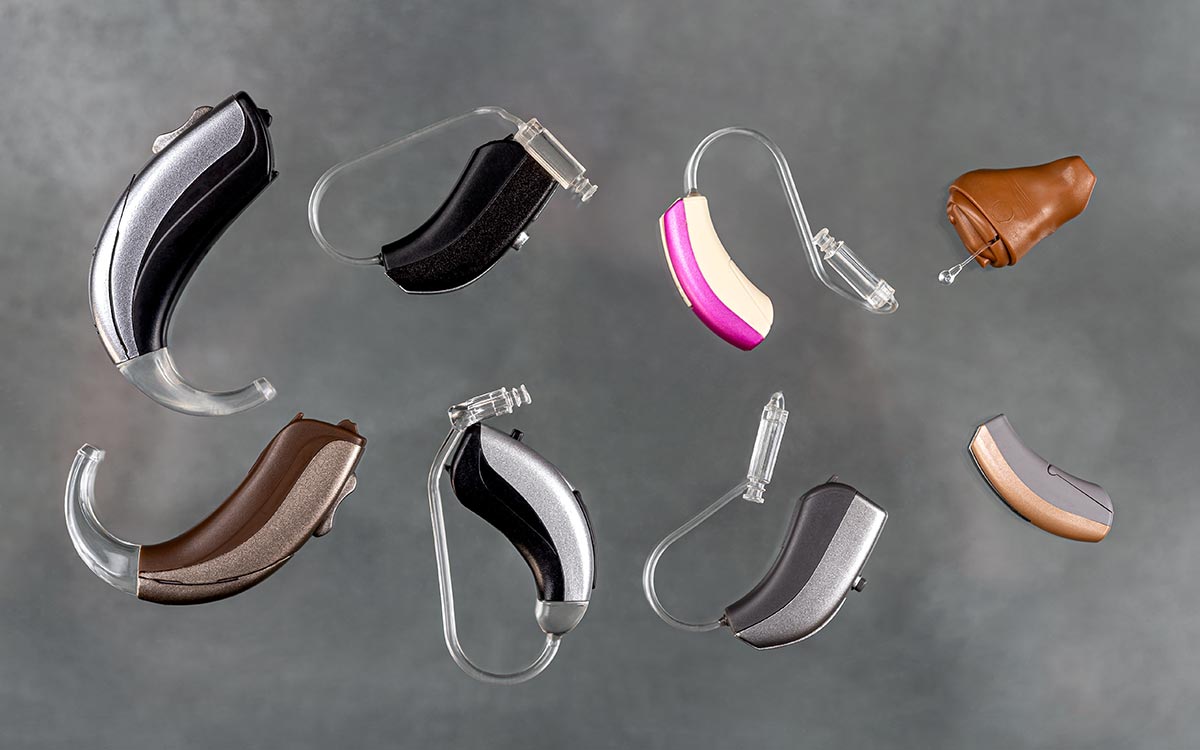
Choosing a hearing aid can feel daunting, especially when today’s units come in so many styles, sizes, and technology levels. But no matter your needs, there’s an auditory solution for every lifestyle, preference, and degree of hearing loss. Success rests in finding the specific aid that meets your personal preferences.
By learning about the differences among various hearing aid models, you can move forward with greater confidence and knowledge. We are planning to analyze the primary styles available today to help you understand what sets each option apart.
The ITC (In-the-Canal) Style Detailed
The Layout:
ITC hearing aids rest partly in the ear canal, with an inconspicuous portion visible at the outer ear.
Common Benefits:
- More discreet than larger models
- Individualized molding guarantees long-term wearing comfort
- Designed to treat low to moderate hearing impairments
ITC devices offer a good balance between visibility and functionality, making them a popular choice for first-time users.
Invisible-in-Canal (IIC) Hearing Aids
What they are:
These are the tiniest custom-made units on the market today. This style rests deep in the ear for an entirely covert appearance.
Why individuals choose them:
- The best option for patients prioritizing appearance
- Microphone depth assists in mimicking the ear’s natural sound collection
- Designed for comfort with an incredibly small footprint
Because of their tiny size, IIC devices typically work best for mild to moderate hearing loss and for those who prefer a nearly invisible option.
ITE (In-the-Ear) Model Overview
Product Information:
ITE devices are constructed to stay in the outer ear area, offering two different shell sizes based on your anatomy. The shell is specially formed to the specific contours of your individual ear.
Value Proposition:
- Larger size allows for more capabilities and longer battery life
- The physical size is easier to grip and adjust for users with fine motor concerns
- Suitable for mild to severe hearing loss
Users regularly select these models for their straightforward, single-piece construction that avoids any external wiring or tubing.
Exploring BTE (Behind-the-Ear) Styles
Technical Data:
Placed securely on the back of the ear, BTE models sit on the outer ridge. Audio moves into the ear canal through a small tube or custom earmold.
Key Strengths:
- Known for remaining remarkably adaptable and robust
- Function for almost all degrees of hearing loss
- The size provides ample space for the latest connectivity features and rechargeable hardware
For those who prioritize a dependable device that is easy to manage and provides plenty of volume, BTE is a top choice.
RIC (Receiver-in-Canal) Overview
Component Structure:
While they resemble BTE units, RIC aids place the speaker directly in the canal for improved sound delivery.
Market Appeal:
- Known for creating some of the most authentic audio in the industry
- Users value the slim design and comfortable fit for all-day use
- RIC technology is highly flexible for many different audiogram profiles.
RIC units are extremely common currently because they balance appearance with powerful functionality.
Extended-Wear Hearing Aids
What they represent:
An audiologist places these specialized hearing aids deep into the canal, where they stay for multiple weeks.
Lifestyle Advantages:
- Perfect for users who want to avoid the routine of handling hearing aids daily
- Almost invisible
- You can go about your whole life—including sports and rest—while wearing them
These models are the ultimate option for an effortless, seamless hearing experience.
Connected Wireless Solutions
What they are:
Bluetooth-ready hearing aids enable an electronic bridge between your hearing technology and your smart devices.
Why go cordless:
- Stream calls, music, and audio straight to the hearing aids
- Gives you the ability to adjust your volume and programs via a smartphone app
- Enhances everyday life by making technology interaction seamless and clear
Most contemporary RIC, BTE, and ITC hearing aids currently provide a Bluetooth-enabled version.
Surgically Implanted Middle-Ear Solutions
Design Overview:
This technology involves a surgical procedure to place a device that mechanically stimulates the bones of the middle ear.
Why patients choose them:
- A viable route for patients who are unable to wear standard acoustic devices
- Solves the problem of ear discomfort caused by regular hearing aids
An exhaustive meeting with an ENT professional is necessary before considering an auditory implant.
Choosing the Right Model for Yourself
Selecting an instrument is an individualized journey that takes into account your hearing severity, lifestyle habits, and visual preferences. By consulting an expert, you can explore various models and see which one feels most natural to you.
Take the initiative for your auditory health by booking an expert evaluation today. This simple step is the basis for improved hearing and better connections with those around you.
Sources:
https://www.mayoclinic.org/diseases-conditions/hearing-loss/in-depth/hearing-aids/art-
20044116
https://www.hearinglife.com/hearing-aids/types
https://www.nidcd.nih.gov/health/hearing-aids